
English ![]()

Tel:
+86-18503201597
E-mail:
E-mail:
ADD:1007,Hanke Building, No. 44 Jianshe North Street
Views: 0 Author: Site Editor Publish Time: 2025-08-18 Origin: Site
A healthy bearded dragon thrives on a balanced, species-appropriate diet. While leafy greens and live insects are the foundation of good nutrition, many owners wonder if adding fruit can enhance their pet's meals. Let's break down the most common questions about offering fruit to bearded dragons.
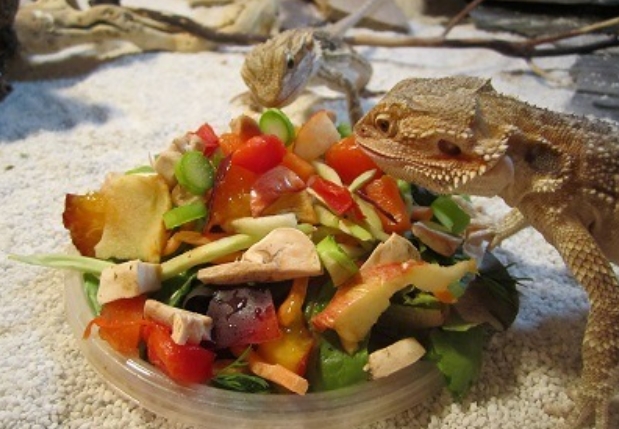
Yes — but only in small amounts. Fruits contain natural sugars that, while tasty, can lead to weight gain or diarrhea if overfed. When used correctly, they serve as an occasional treat, adding variety and enrichment to your dragon's routine.
For juvenile bearded dragons under 12 months, it's best to limit fruit to less than 5% of their diet because of their faster metabolism and higher protein needs. Adult dragons, especially older ones, may require even stricter sugar control to prevent weight gain and related health issues.
| Age Group | Protein (Insects) | Vegetables & Greens | Fruit | Notes |
|---|---|---|---|---|
| Baby (<6 months) | 70–80% of diet | 20–30% of diet | <5%, very minimal | Feed insects daily; prioritize calcium and protein for growth |
| Juvenile (6–12 months) | 50–60% of diet | 40–50% of diet | Occasional, <5% | Gradually increase greens; still insect-heavy |
| Adult (1–5 years) | 20–30% of diet | 70–80% of diet | 5–10%, max 1–2 times/week | Focus mainly on greens; insects as treats or protein supplement |
| Senior (5+ years) | 10–20% of diet | 80–90% of diet | Rare, minimal sugar intake | Watch for weight gain; emphasize low-sugar vegetables |
Bearded Dragon Feeding Recommendations by Age
Many fruits are perfectly safe for bearded dragons when offered occasionally. Popular, beardie-approved options include:
• Strawberries
• Apples (peeled, sliced, no seeds)
• Watermelon
• Blueberries
• Blackberries
• Raspberries
• Figs
• Mango
• Prickly pear
• Grapes (seedless, halved)
• Melons
• Peaches
Remember, fruits should only account for about 5–10% of your bearded dragon's diet.
It's important to note that some fruits, like bananas, have a calcium-to-phosphorus ratio of roughly 1:3, meaning they contain three times more phosphorus than calcium. Excess phosphorus can bind to calcium, making it unavailable for absorption and increasing the risk of metabolic bone disease.
| Fruit | Calcium (mg) | Phosphorus (mg) | Ca:P Ratio |
|---|---|---|---|
| Strawberries | 16 | 24 | 1:1.5 |
| Apples | 6 | 11 | 1:1.8 |
| Watermelon | 7 | 11 | 1:1.6 |
| Blueberries | 6 | 12 | 1:2 |
| Blackberries | 29 | 22 | 1.3:1 |
| Raspberries | 25 | 29 | 1:1.2 |
| Figs (fresh) | 35 | 14 | 2.5:1 |
| Mango | 11 | 14 | 1:1.3 |
| Prickly pear | 56 | 24 | 2.3:1 |
| Grapes (seedless) | 10 | 20 | 1:2 |
| Melons (cantaloupe) | 9 | 15 | 1:1.7 |
| Peaches | 6 | 20 | 1:3.3 |
| Banana | 5 | 22 | 1:4.4 |
Calcium-to-Phosphorus Ratios for Common Fruits (Per 100g)
Even though some fruits are safe, there are important exceptions to watch out for:
• Citrus fruits (oranges, lemons, limes, grapefruit) — too acidic, may upset their stomach.
• Bananas — high in phosphorus, which can interfere with calcium absorption.
• Fruits with large pits or seeds (like cherries or peaches) — always remove pits to prevent choking or digestive blockages.
• Avocado and rhubarb — toxic and should never be offered.
Not necessarily. While fruit can provide some extra moisture and natural sugars, bearded dragons can thrive without any fruit at all. Their primary nutritional needs are met through a mix of leafy greens (like collard and mustard greens), vegetables, and protein sources such as crickets or dubia roaches. Fruit should be seen as an occasional bonus, not a dietary requirement.
Long-term overfeeding of sugary fruits can increase the risk of fatty liver disease, obesity, and even diabetes in bearded dragons. It's essential to treat fruit as a special snack rather than a staple food.
Recommended products: Reptile bowl
Fruits should not be a daily part of your dragon's meals. The best approach is to offer small fruit portions just once or twice a week. Focus on maintaining a nutrient-dense, calcium-rich diet to support their bone health and growth.
•Always wash fruits thoroughly to remove pesticides.
•Slice into small, manageable pieces.
•Mix fruit into salads with veggies for variety.
•Monitor for any digestive upset after introducing new fruits.
After feeding fruit, observe your bearded dragon for signs like soft or runny stools, bloating, or loss of appetite lasting more than 24 hours. If any of these occur, remove fruit from the diet and consult a reptile veterinarian.
(With Scientifically Supported Fruit Integration)
Core principles:
- Adult bearded dragon: 70-80% green leafy vegetables, 10-20% protein (insects), <10% fruit
- Fruit as an occasional snack, not as a daily staple food
- Amount of fruit per feeding: about 1-2 small pieces or handfuls (equivalent to about 1-2 grams)
- Pay attention to the calcium to phosphorus ratio, sugar content, and fiber content of the fruit
| Day | Vegetables (Core 70–80%) | Protein (20–30%) | Fruit (Max ~5–10%) |
|---|---|---|---|
| Monday | Collard greens (high calcium), mustard greens, bell pepper | Dubia roaches (calcium dusted) | 1–2 small strawberries (rich in vit. C, antioxidants; Ca:P ~1:1.5) |
| Tuesday | Dandelion greens (high calcium), squash, okra | Crickets (calcium dusted) | None (avoid daily fruit; let gut process fiber) |
| Wednesday | Turnip greens, butternut squash, green beans | Phoenix worms (high calcium, soft-bodied larvae) | Thin slice of fig (high calcium; Ca:P ~2.5:1) |
| Thursday | Escarole, chicory, zucchini | Superworms (only occasional, moderate fat) | Tiny piece mango (beta-carotene rich; Ca:P ~1:1.3) |
| Friday | Collard greens, bok choy (moderate), bell peppers | None (adult dragons can skip bugs once/week) | Small cube prickly pear (excellent calcium; Ca:P ~2.3:1) |
| Saturday | Mustard greens, pumpkin, endive | Crickets (gut-loaded, calcium dusted) | Thin apple slice (peeled, no seeds; Ca:P ~1:1.8) |
| Sunday | Dandelion greens, spaghetti squash, kale (limited, oxalate warning) | Hornworms (hydrating, low fat) | Few blueberries or raspberries (antioxidant boost; Ca:P ~1:1–1.2) |
More read:
•Complete Care Guide for Baby Bearded Dragons
•What Size Enclosure Does Your Bearded Dragon Need?
•What Temperature Should a Bearded Dragons Enclosure Be
•How to Clean a Bearded Dragon Enclosure – Step-by-Step Guide


