
English ![]()

Tel:
+86-18503201597
E-mail:
E-mail:
ADD:1007,Hanke Building, No. 44 Jianshe North Street
Views: 0 Author: Site Editor Publish Time: 2025-07-24 Origin: Site
The way a reptile or amphibian uses its enclosure is much like how we use our homes. Inside their bearded dragon enclosure, they eat, sleep, rest, and explore. However, unlike us, they can't flush away waste or take out the trash, meaning waste can accumulate without proper care. While it's essential to remove waste promptly, even with regular cleaning, bacteria can linger behind. To minimize the risk of harmful bacteria making your pet ill, routine cleaning and disinfection are crucial. It's important to remember that not all cleaning products we use at home are safe for reptiles. Let's explore the best methods for effectively cleaning and disinfecting your pet's living space.
To properly clean a bearded dragon enclosure, begin by moving your dragon to a secure temporary habitat. Take out all dishes, accessories, and substrate, then wash them thoroughly using hot, soapy water. Next, scrub the interior surfaces of the enclosure with hot, soapy water to remove any residue or buildup. Once cleaned, disinfect the enclosure using a reptile-safe sanitizer such as F10. Allow all components to dry completely before adding fresh substrate and placing the cleaned accessories back inside.
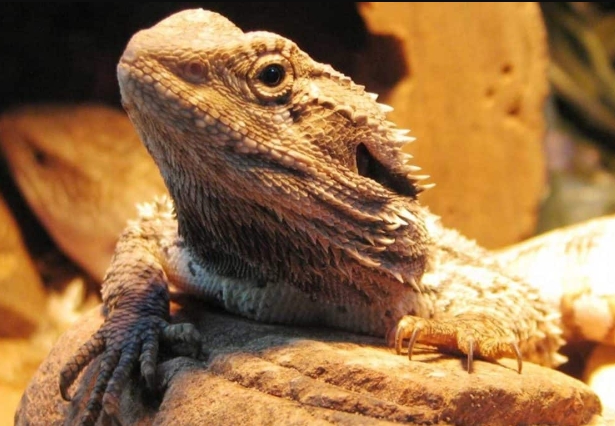
When cleaning anything related to your bearded dragon, the key word to keep in mind is "antibacterial." Like all living creatures, bearded dragons produce feces that contain bacteria. To maintain a hygienic environment, it's important to clean up after your dragon immediately following a bowel movement.
The simplest yet most essential step in keeping your bearded dragon enclosure clean is to remove waste as soon as you see it. This includes not only their droppings but also uneaten food and dead insects. In a humid environment, these remnants can quickly become breeding grounds for bacteria and fungi that can be harmful to your pet. The longer waste is left inside the enclosure, the greater the chance of your bearded dragon coming into contact with pathogens.
You can use your hands or a scoop to remove waste, ensuring that you also discard any surrounding bedding that may have absorbed urine or other contaminants. This practice should be carried out daily to prevent the buildup of waste. After removing waste, wash your hands thoroughly and avoid touching anything until your hands are clean. If waste is stuck to any décor, remove the item and rinse it with hot water before placing it back in the enclosure. Once the contaminated bedding is removed, replace it with fresh, clean bedding to maintain a hygienic environment.
Daily spot cleaning is essential to remove old food, uneaten live feeders, and any waste in the enclosure or water dishes. I always wear disposable gloves when cleaning the enclosure to minimize direct contact. After handling any part of the enclosure or your dragon, make sure to wash your hands thoroughly and keep hand sanitizer nearby for extra protection.
Never use the same sink for cleaning your dragon's dishes or decorations that you use for your personal kitchenware. As a good hygiene practice, always wash your hands after holding your bearded dragon, and make sure that any children who handle the pet do the same.
While daily waste removal helps maintain basic cleanliness in the bearded dragon enclosure, it doesn't eliminate all hidden contaminants. Waste particles can accumulate beneath the substrate, particularly if your pet burrows or digs. To prevent harmful pathogens from building up over time, a thorough deep cleaning is recommended every two to three months.
Begin by using clean, hot water to wash the enclosure. If you choose to use a cleaning product, opt for mild dish soap and scrub thoroughly. Once the surface has been cleaned, you can sanitize the enclosure and its décor with a 10 percent bleach solution. After applying the bleach solution, rinse everything thoroughly with hot water and let it air dry completely before reassembling the habitat.
Deep cleaning is essential not only for removing unseen waste but also for eliminating bacteria that can cause illness in your bearded dragon. This process ensures that your pet's home remains a safe and healthy environment.
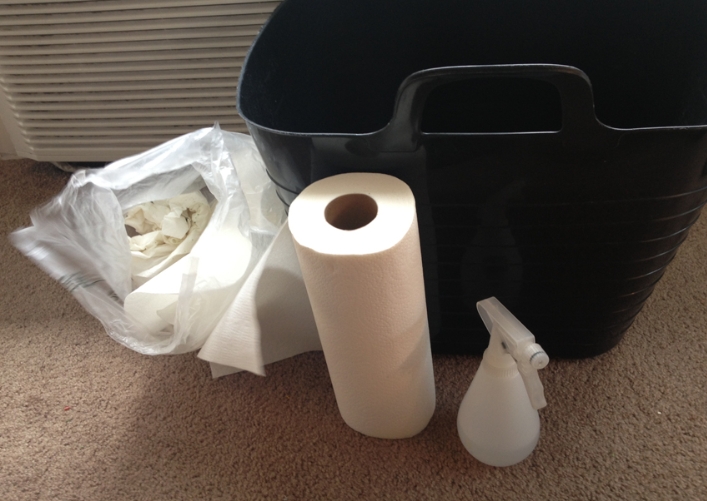
Every day, I perform spot cleaning using an organic, multi-surface antibacterial spray to keep the enclosure fresh. Once a week, I take everything out of the enclosure and thoroughly clean all surfaces – walls, floors, and accessories – using the organic antibacterial solution. Avoid using any cleaners containing ammonia, as they can be harmful. After cleaning, I rinse all surfaces thoroughly with water to remove any residue.
All cage accessories, including dishes and décor, are placed in a tub filled with hot water and antibacterial dish soap. I scrub each item using a sponge, then rinse them in a separate bucket of hot water to ensure they're completely clean.
Once a month, I conduct a deep clean by removing everything from the enclosure and disinfecting all surfaces with a 5% bleach solution that I mix myself. It's crucial to never use bleach while your bearded dragon is still inside the enclosure. After cleaning, rinse thoroughly with hot water to eliminate any bleach residue. Let the enclosure air dry for at least 15 minutes before reintroducing your dragon. Residual bleach mixed with heat can release fumes that may cause respiratory problems and eye irritation for your pet.
• Remove your pet from the enclosure and place them in a secure temporary habitat. A container with warm water can serve as a safe holding area while you clean.
• If possible, move the bearded dragon enclosure near a sink to make cleaning easier. Be cautious not to lift it alone to avoid injury. If moving it is not feasible, bring a trash bin and a storage container close to the enclosure.
• Turn off the lights and allow them to cool down before removing them. Even if you are not relocating the lights, turning them off prevents accidental splashes or debris from damaging the bulbs.
• Take out all décor items, brushing any loose substrate back into the enclosure. Place the décor in a storage container and take it to the sink for cleaning. Wash each item with hot water and dish soap, then sanitize using a 10 percent bleach solution. Rinse thoroughly and allow the items to air dry.
• Remove all bedding from the enclosure and discard it. Wipe out any remaining substrate and use a bucket of hot water mixed with dish soap to scrub the interior surfaces. Rinse with clean water and let the enclosure dry completely.
• For a finishing touch, apply a terrarium cleaner to the glass to restore clarity and provide an optimal view of your bearded dragon. If the enclosure houses amphibians, use only warm water for this step to avoid potential harm.
• Once the enclosure is clean and dry, reassemble it. Start by adding fresh bedding to a depth of approximately two inches, creating deeper sections for burrowing if desired. Replace all décor items, ensuring they are securely positioned.
• Turn the lights back on and allow the enclosure to warm up for 20 minutes. Check the basking, warm, and cool side temperatures to confirm they are within the recommended range. Once stable, you can safely return your pet to its refreshed, clean habitat.
Cleaning up droppings, removing dead insects, and scrubbing off food residues may not be the most enjoyable tasks, but they are crucial for maintaining a healthy bearded dragon enclosure. Regular cleaning and disinfection are essential components of responsible pet care, as they help prevent the spread of bacteria and other pathogens that can make your pet sick.
Reptiles are not as vocal or attention-seeking as dogs or cats, so it is up to you as the caregiver to maintain a clean and safe environment. Bearded dragons won't alert you when their enclosure is dirty, making it vital to stay consistent with cleaning routines. Ensuring that their home is hygienic not only reduces the risk of illness but also provides them with a comfortable and stress-free habitat.
A clean enclosure is more than just visually appealing – it is a key element in promoting your bearded dragon's overall health and well-being. By committing to a regular cleaning schedule, you create a healthier, happier space for your pet to thrive. For owners seeking the perfect balance of size and functionality, our 4×2×2 bearded dragon enclosure offers ample space for your pet to roam, bask, and explore comfortably. Designed with easy maintenance in mind, it provides optimal ventilation and durable construction, making it easier to keep clean and hygienic. Explore our bearded dragon enclosure:
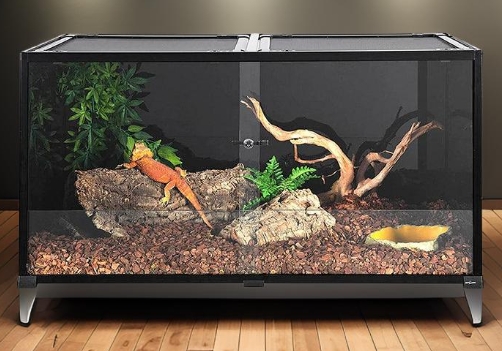
| Material | Dimensions (L×W×H) | Standard Size (Inches) |
|---|---|---|
| PVC & Acrylic | 60 × 40 × 40 cm | 24" x 16" x 16" |
| PVC & Acrylic | 80 × 40 × 40 cm | 32" x 16" x 16" |
| PVC & Acrylic | 100 × 50 × 50 cm | 36" x 18" x 18" |
| PVC & Acrylic | 120 × 60 × 60 cm | 48" x 24" x 24" (4×2×2') |

More Read:
1. Reptile Enclosure Materials Guide
2. Complete Care Guide for Baby Bearded Dragons
3. What Size Enclosure Does Your Bearded Dragon Need?
4. What Temperature Should A Bearded Dragons Enclosure Be
1. What cleaning products are safe to use in a bearded dragon enclosure?
Use non-toxic, reptile-safe cleaners specifically formulated for enclosures. Avoid harsh chemicals like ammonia or disinfectants with strong scents, as they can harm your bearded dragon.
2. How can I prevent mold growth in my bearded dragon enclosure?
Ensure proper ventilation, avoid over-misting, and promptly remove any uneaten food and soiled bedding to reduce moisture buildup that can lead to mold growth.
3. Can I use a vacuum to clean the substrate in the enclosure?
Yes, a handheld vacuum can be useful for removing loose debris and dried waste. However, ensure the vacuum is not too powerful to avoid disturbing or stressing your bearded dragon.
4. How often should I replace the substrate in a bearded dragon enclosure?
Substrate replacement frequency depends on the type of substrate used. Paper towels or newspaper should be changed weekly, while loose substrates like sand or coconut fiber should be replaced every 4-6 weeks.
5. What should I do if my bearded dragon ingests cleaning residue?
If you suspect your bearded dragon has ingested cleaning residue, immediately rinse its mouth with clean water and contact a reptile veterinarian for further advice.
6. How do I clean hard-to-reach areas or corners in the enclosure?
Use a small brush or toothbrush to reach tight spots and corners. For stubborn stains, apply warm water and gentle scrubbing to avoid damaging the enclosure surfaces.
7. Can I use a steam cleaner for deep cleaning the enclosure?
Yes, steam cleaners can effectively sanitize without chemicals, but ensure that all surfaces are completely dry before reintroducing your bearded dragon to avoid burns or respiratory issues.
8. How do I minimize stress for my bearded dragon during the cleaning process?
Place your bearded dragon in a secure, familiar holding area with a warm hide and a few familiar objects. Keep cleaning duration short and avoid loud noises to reduce stress.
9. What signs indicate that the enclosure is not being cleaned effectively?
Signs of poor cleaning include persistent odors, visible waste buildup, mold or mildew growth, and the presence of flies or mites. Regular inspection can help you catch these issues early.
10. How do I disinfect natural décor items like branches and rocks?
Soak natural décor in a solution of 10% bleach and hot water for 30 minutes, rinse thoroughly, and allow to air dry completely before placing them back in the enclosure.
11. What is the best cleaner for bearded dragons enclosures?
F10 Veterinary disinfectant and chlorhexidine are the two most widely used and trusted reptile tank cleaners. These cleaners not only help remove grit and grime, they also kill germs and prevent them from coming back.
12. How do I clean my bearded dragon's cage?
Mix a solution of 1 part vinegar, 2 parts warm water, or fill a spray bottle with F10 or a reptile-safe disinfectant. Put on rubber gloves. To stay safe, always clean your dragon's tank while wearing protective gloves. Clear out any shed, debris, dust, food, droppings, etc.
13. What is the best way to clean a reptile enclosure?
The best way to clean the enclosure is with clean hot water, and if you want to use a cleaning product stick to dish soap and elbow grease. Once cleaned off, you can sanitize your décor and terrarium with 10% bleach solution, then rinse with hot water and allow to dry.


