
English ![]()

Tel:
+86-18503201597
E-mail:
E-mail:
ADD:1007,Hanke Building, No. 44 Jianshe North Street
Views: 0 Author: Site Editor Publish Time: 2025-07-16 Origin: Site
Providing your hamster with a proper enclosure is one of the most crucial aspects of their overall care. A well-designed cage should offer not only safety and comfort but also opportunities for natural behaviors like burrowing and foraging. In this comprehensive guide, we'll walk you through key considerations around hamster cage sizes, materials, enrichment options, and even how to build a DIY cage.
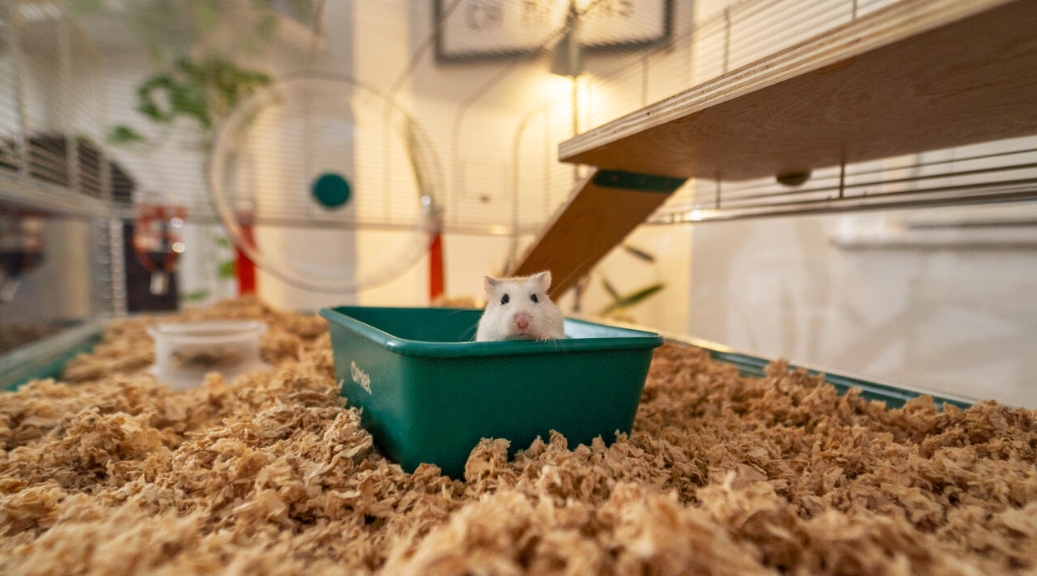
For Syrian hamsters, the general minimum requirement is 900 square inches of uninterrupted floor space, approximately 40 x 22.5 inches. A cage height of around 24 inches is recommended to accommodate several inches of burrowing substrate.
Dwarf and Chinese hamsters need slightly less room but still require a minimum of 700 square inches, which is about 40 x 17.5 inches. These smaller species also benefit from a cage height of 24 inches and deep bedding between 6–8 inches.
If you plan to house multiple hamsters, be mindful of their social behavior. Syrian hamsters are solitary and should be kept individually. In contrast, dwarf hamsters may live in pairs, but you must monitor them for signs of stress or aggression. Gender separation is vital to avoid unwanted breeding.
The best hamster cages are those that prevent escape, offer adequate airflow, and allow for natural behaviors. Options include plastic bins, aquariums, or cages with wire tops.
An ideal setup combines a deep base made of plastic or glass—perfect for burrowing—with a clip-on wire mesh top to ensure airflow and easy access. Wire-only cages are often too shallow, causing bedding to scatter and limiting burrowing opportunities. Wooden cages are not recommended, as they absorb moisture and are prone to being chewed. Full-glass setups lack ventilation and are cumbersome to clean or move.
HANZE's DIY expandable enclosure for small animals is a modular solution that checks all the right boxes: chew-resistant PP panels, breathable ventilation slots, and expandable layouts that can suit any space or room.
Although popular, Crittertrail cages are typically too small to meet a hamster's spatial and behavioral needs. Their compact layout fails to provide adequate running space, and the small wheel size can lead to spinal strain in Syrian hamsters.
The intricate tubes not only restrict airflow but also become reservoirs for fecal matter and urine, encouraging bacterial growth. For a more hygienic, scalable option, modular cages like HANZE hamster cages are much more reliable for both pets and pet parents.

Creating a custom hamster enclosure from a plastic bin is a cost-effective and fun option—just make sure it meets space requirements.
Steps:
1. Cut out the center portion of the lid using a box cutter or similar tool.
2. Drill holes along the cutout edge for zip ties.
3. Attach a wire mesh panel using zip ties, trimming the ends.
4. Add substrate, bedding, and all necessary accessories before securely placing the lid.
This is where a product like HANZE rodent breeding cage (LSSYH50) excels: it saves you the effort while offering built-in ventilation, chew-proof materials, and easy access for cleaning.
To truly mimic a hamster's natural habitat, enrichment is essential.
Feeding & Foraging:Instead of confining food to a bowl, scatter their diet around the cage floor to simulate wild foraging. Use hanging treat sticks or mix in dried herbs, safe plants, and seed sprays (like millet, flax, or oat). These additions stimulate both physical and mental activity.
Burrowing Behavior:Large hamsters thrive with at least 10 inches of bedding to replicate underground tunnels. Use a mix of hemp, aspen, and soft hay layered in a way that maintains tunnel integrity. Compact the bedding and consider placing a cork log or tunnel halfway in to act as a starter burrow.
HANZE's cage designs offer ample floor depth, especially in models like the plastic laboratory animal cage, which allow bedding customization and nesting behaviors.
Creating a suitable environment for your hamster goes beyond picking a cute cage—it's about understanding their instincts and catering to their needs through space, safety, and enrichment. By keeping these tips in mind, and with the help of expertly designed products from brands like HANZE, your hamster will have a secure, enriching home they'll thrive in.
Q1: Should I use a cage or a tank for my hamster?
A: A tank-style enclosure is often preferred, as it allows for a deeper layer of bedding—essential for burrowing and tunneling, which are natural behaviors for hamsters. It also prevents bedding from scattering outside the habitat.
Q2: What type of cage is best suited for a Syrian hamster?
A: Syrian hamsters thrive in enclosures with at least 900 square inches of floor space (40 x 22.5 inches). The ideal setup includes a solid plastic or glass base with 10 inches of bedding and a secure wire or mesh top with no more than ½ inch bar spacing.
Q3: What cage dimensions are ideal for a dwarf hamster?
A: Dwarf hamsters do well in slightly smaller enclosures—around 40 x 17.5 inches—with a bedding depth between 6 to 8 inches. Proper floor space is just as important as height, especially for active or cohabitating pairs.
Q4: What material should I avoid in hamster cages?
A: Avoid wooden or cardboard enclosures, as they absorb moisture and are easy to chew through. Opt for chew-resistant materials like PP or PVC, as used in HANZE DIY expandable enclosures.
Q5: Can I use a wire cage for my hamster?
A: Wire cages are acceptable if they include a deep plastic base for bedding and have safe bar spacing. However, they offer less insulation and may scatter substrate. Hybrid designs or bin-style hamster cage are often more functional.
Q6: How do I know if my hamster is happy with its enclosure?
A: Signs of contentment include regular burrowing, nesting, and active nighttime behavior. If your hamster constantly tries to escape, chews bars excessively, or displays stress behaviors, the cage may be too small or lack enrichment.
Q7: What is a good cage option if I have limited space?
A: Stackable or modular cages like HANZE lab-grade mouse cages allow you to maximize vertical space without compromising floor area. These are ideal for apartment dwellers or multi-pet households.
Q8: Is it better to buy or build a hamster cage?
A: DIY cages can be cost-effective and customizable, but they require proper tools and time. Ready-made solutions like HANZE's Rodent Breeding Cage (LSSYH50) offer durability, ventilation, and easy access—perfect for beginners and busy pet parents.


