
English ![]()

Tel:
+86-18503201597
E-mail:
E-mail:
ADD:1007,Hanke Building, No. 44 Jianshe North Street
Views: 0 Author: Site Editor Publish Time: 2025-08-20 Origin: Site
Lighting isn't just about visibility for reptiles like bearded dragons—it's a critical component of their survival. As cold-blooded animals, bearded dragons depend entirely on external light and heat to regulate their temperature, metabolism, digestion, and even mental well-being. Bearded dragons need 10-12 hours of simulated sunlight every day.
Whether you're a first-time reptile owner or a professional breeder outfitting PVC reptile enclosures or acrylic display cages, understanding how to set up proper lighting for bearded dragons is essential for their long-term health.
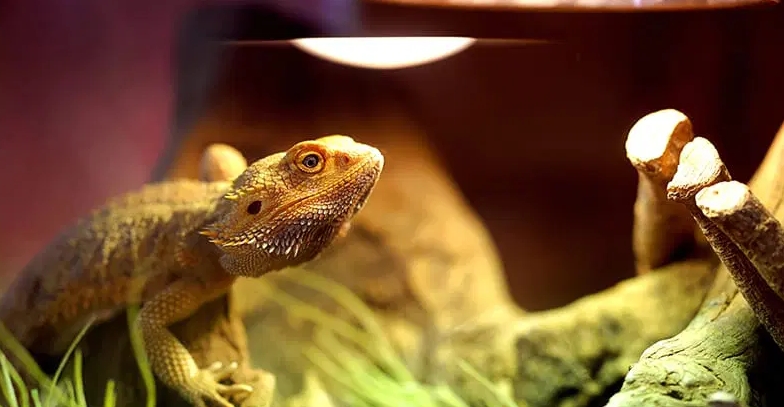
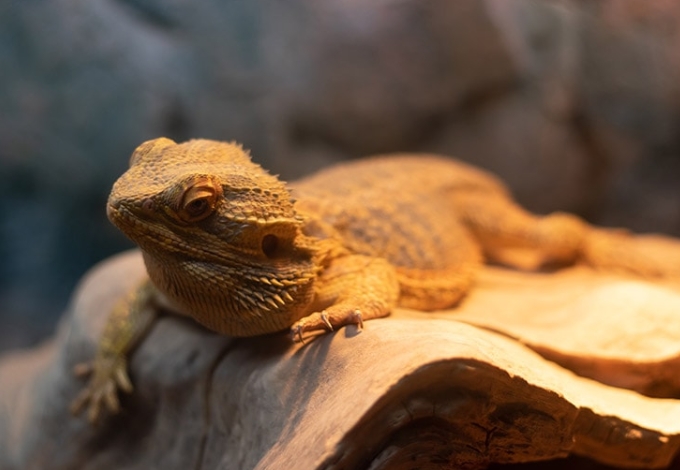
Bearded dragons originate from the arid deserts of central Australia. In the wild, they bask under intense sunlight for hours, absorbing ultraviolet radiation and infrared heat. In captivity, replicating this environment means providing both UVA and UVB lighting, as well as a controlled heat source for basking.
Proper lighting ensures that your bearded dragon can:
• Metabolize calcium and prevent metabolic bone disease (via UVB)
• Maintain circadian rhythm for healthy sleep cycles (via consistent day/night schedules)
• Thermoregulate—that is, move between warm and cool zones to regulate body temperature
Bearded dragons require high-intensity UVB light, typically from a T5 HO linear fluorescent bulb. UVB radiation enables the synthesis of vitamin D3, which is essential for calcium absorption. Without it, dragons quickly develop bone deformities or die from metabolic bone disease.
Best Practices:
• Use a T5 HO 10.0, 12%, or 14% bulb, 22–24 inches long for 4-foot tanks.
• Replace UVB bulbs every 6 months, even if the bulb is still glowing—UVB output diminishes over time.
• Mount UVB lights above mesh or under mesh, depending on the fixture and strength. Typical basking distances range from 7–18 inches depending on setup.
• Use a Solarmeter 6.5 to measure UV Index (UVI), aiming for 4.0–6.0 UVI in the basking area.
❌ Avoid: Coil or compact fluorescent UVB bulbs—they do not provide adequate coverage or intensity.
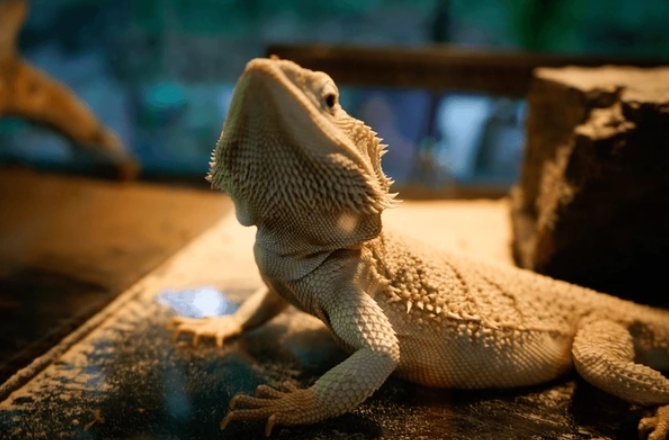
UVA lighting mimics natural sunlight and contributes to appetite stimulation, mating behavior, and sleep-wake cycles. Most importantly, basking bulbs generate the intense heat needed to warm your bearded dragon's core temperature.
Temperature Targets:
| Zone | Ideal Temperature |
|---|---|
| Basking Surface | 105°F–115°F (40–46°C) |
| Warm Side | 90°F–95°F (32–35°C) |
| Cool Side | 75°F–85°F (24–29°C) |
| Night | 65°F–75°F (18–24°C) |
Use halogen floodlights or incandescent reptile basking bulbs for the basking area. Position them directly above basking platforms like natural rocks, resin caves, or PVC ledges.
For temperature monitoring:
• Use infrared thermometers for quick checks
• Use probe-style digital thermometers for passive monitoring
For more tips on raising juveniles, including feeding and enclosure tips, check out our Complete Care Guide for Baby Bearded Dragons.
At night, your bearded dragon needs darkness to sleep properly. Contrary to popular belief, red, blue, or "night light" bulbs can disrupt their natural rhythm and cause stress.
If your room drops below 65°F, opt for a ceramic heat emitter (CHE):
• Provides heat without emitting visible light
• Compatible with dimmers or thermostats for precise control
• Suitable for both acrylic and PVC enclosures
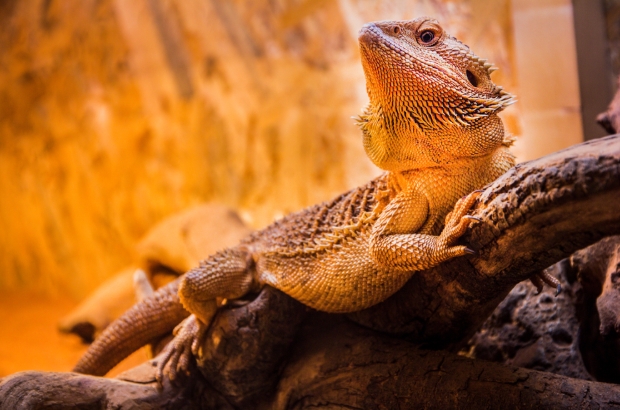
Reptiles thrive on consistency. The light cycle should mimic natural daylight variation:
| Season | Day Length |
|---|---|
| Summer | 14 hours of light / 10 hours dark |
| Winter | 10 hours of light / 14 hours dark |
| Transition | Adjust gradually over weeks |
Use an automatic timer to maintain this schedule—crucial for reptiles housed in commercial breeding setups or large-scale reptile display systems.
Some bulbs are marketed as "full-spectrum," but that doesn't mean they emit UVB. Full-spectrum bulbs include visible wavelengths (including UVA), but not always UVB.
• For best results: Use two separate lamps—one for UVB and another for heat/light (UVA).
Here's a breakdown of common lighting options:
| Bulb Type | UVA | UVB | Heat | Notes |
|---|---|---|---|---|
| T5 HO Fluorescent | No | Yes | No | Best UVB coverage |
| Incandescent Basking Bulb | Yes | No | Yes | Common heat source |
| Mercury Vapor | Yes | Yes | Yes | Intense output, may overheat |
| Halogen Flood | Yes | No | Yes | Efficient & durable |
| Ceramic Heat Emitter | No | No | Yes | Night heat only, no light |
| Compact Fluorescent (Coil) | Yes | Limited | No | Not recommended |
| Metal Halide | Yes | Yes | Yes | Needs ballast; powerful |
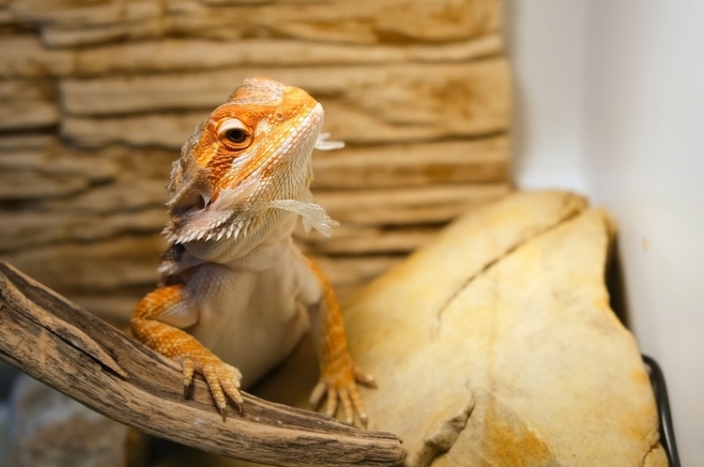
Even experienced owners make lighting mistakes. Here are common ones to watch out for:
❌ Red or Blue Night Bulbs: Disrupt sleep and depth perception.
❌ Too Little UVB Exposure: Leads to bone disease and poor growth.
❌ Using Only Ambient Room Light: Bearded dragons need dedicated basking zones.
❌ Improper Distance: Too close and you risk burns; too far and they don't benefit.
Proper lighting varies slightly depending on your enclosure material:
• PVC Reptile Enclosures: Excellent insulation; heat builds quickly. Mount UVB under mesh or use internal fixtures.
• Acrylic Display Cages: Reflective surface may amplify light—be cautious with high-watt bulbs. Ensure adequate ventilation.
Our company offers custom reptile enclosures with optimal dimensions, mesh top or cutouts for light fixtures, and support for high-UVB environments. Contact us for enclosure and lighting system integration. Not sure what size is ideal for your dragon? See our guide: What Size Enclosure Does Your Bearded Dragon Need?
• Q: How many hours of light do bearded dragons need?
A: 10–14 hours depending on season. Use a timer to simulate natural cycles.
• Q: Can I use one bulb for heat and UVB?
A: Yes, mercury vapor or metal halide bulbs offer all-in-one solutions but can be too hot for small tanks.
• Q: Is red light bad for bearded dragons?
A: Yes. Reptiles see red light—it distorts color and stresses them out.
• Q: What's the best UVB light distance?
A: 7–11" below mesh or 12–18" if mounted internally. Use a Solarmeter for precision.
• Q: Do bearded dragons need heat at night?
A: Only if temps fall below 65°F. Use ceramic emitters—not bulbs with visible light.
Proper lighting is the foundation of a healthy bearded dragon habitat. It's not just about keeping them warm—it's about mimicking nature as closely as possible, especially if you're managing large-scale breeding setups or selling complete kits to retailers.
At Hanze, we provide reptile enclosure systems, lighting accessories, and OEM support for wholesalers, breeders, and commercial buyers. Need help sourcing lighting or cages? Reach out to our team for customized solutions.


